Personal Growth and Career Development
Navigate Change. Amplify Potential.
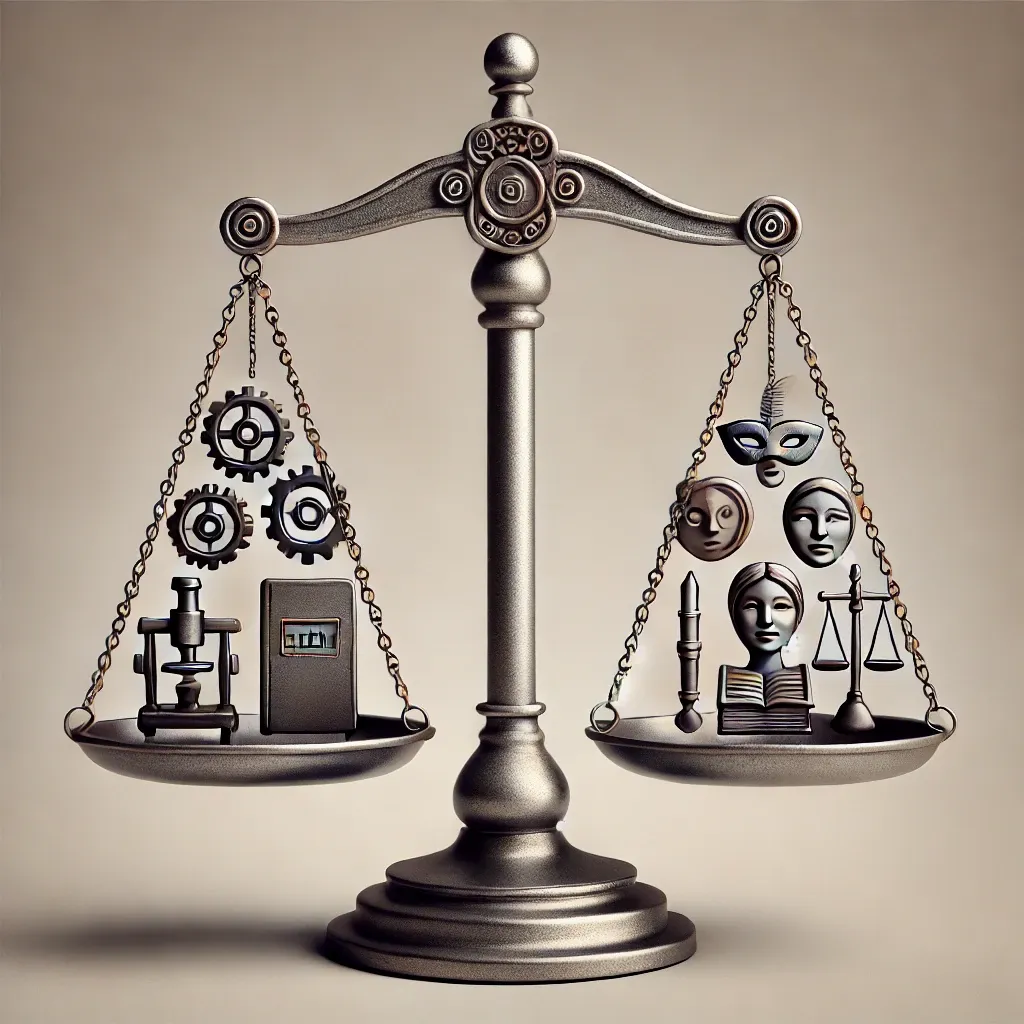
I have never felt right about science, technology, engineering, and math (STEM) being pushed on all students as the way to have a great career in the future. In the emerging age of Artificial Intelligence (AI), it’s time to recognize that they alone are not enough, and in some cases, may not even be as valued. As industries and societies are reshaped, we need a different set of skills—those grounded in the arts and humanities. These fields, often considered less critical in the STEM-dominated world, are becoming more crucial than ever. It’s time for STEM to take a backseat to the insights and values that humanities bring to the table.
These are the essential skills needed to have a great career — and life.
1. Communication and Storytelling
As AI becomes a bigger part of our lives, the ability to communicate effectively is more important than ever. The humanities teach us how to tell powerful stories and make complex ideas easy to understand. This skill is invaluable whether we’re discussing company values, explaining a business strategy, or pitching a new product. Good communication isn’t just a nice-to-have—it’s what connects us with our colleagues, customers, and stakeholders, making our ideas resonate on a deeper level.
2. Empathy and Understanding
AI can automate countless tasks, but it can’t replicate genuine human empathy. That’s where the humanities come in—they give us the tools to understand other people’s viewpoints and create meaningful connections. These skills are crucial for collaboration and teamwork. In a world where AI is increasingly taking over, empathy sets us apart, ensuring that our technology is designed with real people in mind.
3. Advocacy and Negotiation
As AI reshapes industries and disrupts the job market, it’s more important than ever to know how to stand up for our rights and negotiate effectively. The humanities give us the skills to craft persuasive arguments and advocate for what truly matters. This is especially crucial when discussing AI ethics—like ensuring facial recognition technology doesn’t discriminate against minorities—or negotiating data privacy, such as pushing back against AI that collects more data than necessary. Understanding these issues and knowing how to address them can make all the difference in shaping the future of work.
4. Self-Awareness and Personal Development
In a recent talk at Stanford, Open AI co-founder and CEO, Sam Altman said:
“I’m actually not worried at all about stifling human innovation. I really, deeply believe that people will just surprise us on the upside with better tools. I think all of history suggests that if you give people more leverage, they do more amazing things.”
As AI rises, we have to figure out what makes us unique in a world where machines can do so many things better and faster. That’s where the humanities come in. They encourage us to look inward, helping us find our passions, recognize our strengths, and spot areas where we can grow. This self-awareness is like a compass, pointing us toward career paths and personal development opportunities that really matter to us. It’s about making sure we stay true to our values, even as the world changes around us.
5. Collaboration and Leadership
Technology might make things run smoother, but it can’t replace real human teamwork and leadership. The humanities show us the value of different perspectives, helping us work together and lead with empathy. These are the skills that bring people together to reach common goals—whether it’s on AI projects or in everyday life. It’s this human touch that keeps us grounded and makes the work we do truly meaningful.
6. Lifelong Learning and Adaptability
Technology is always on the move, and if we want to keep up, we’ve got to be ready to learn and adapt. Art, literature, history, and philosophy nurture our curiosity and keep us open to new ideas, pushing us to embrace change instead of fearing it. With AI’s rapid evolution, this mindset isn’t just helpful—it’s absolutely essential.
While technical skills remain important, the humanities offer the interpersonal and conceptual skills that will be critical for success. As we embrace AI, let’s not lose sight of our humanity. By combining technical expertise with a strong foundation in the humanities, we can build a future where AI serves to enhance our lives, not replace what makes us uniquely human.
Navigate Change. Amplify Potential.